
1.2 Composition and Classification of Robot Systems
Author: Huo Haijie | Contact: howe12@126.com
Preface: In the previous section, we discussed the origin and development of robots. From ancient automatic machines to today’s intelligent robots, it took humans thousands of years for “artificial workers” to move from fantasy to reality. However, have you ever wondered—what exactly makes up a real robot? Just like the structure of the human body, robots also have “bones,” “muscles,” “senses,” “brain,” and “soul.” Only by understanding these components can we truly grasp how robots work. In this section, we will systematically explore the “body” of robots.
1. Why do robots need these parts?
1.1 Like a Human — Analogy of Robots from Human Anatomy
Imagine you want to perform a simple action—reach out and pick up the water glass on the table.
This seemingly simple action actually involves multiple systems in the human body working together: first, your eyes detect the position of the water cup (sensing system); then, your brain calculates how long and at what angle your hand extends (control system); next, the nervous system sends instructions to the muscles (driving system); finally, the muscles contract to move the bones (mechanical structure), causing your hand to reach the target. The entire process is completed instantly, smoothly and effortlessly.
For a robot to complete any task, the close cooperation of these four systems is also required.
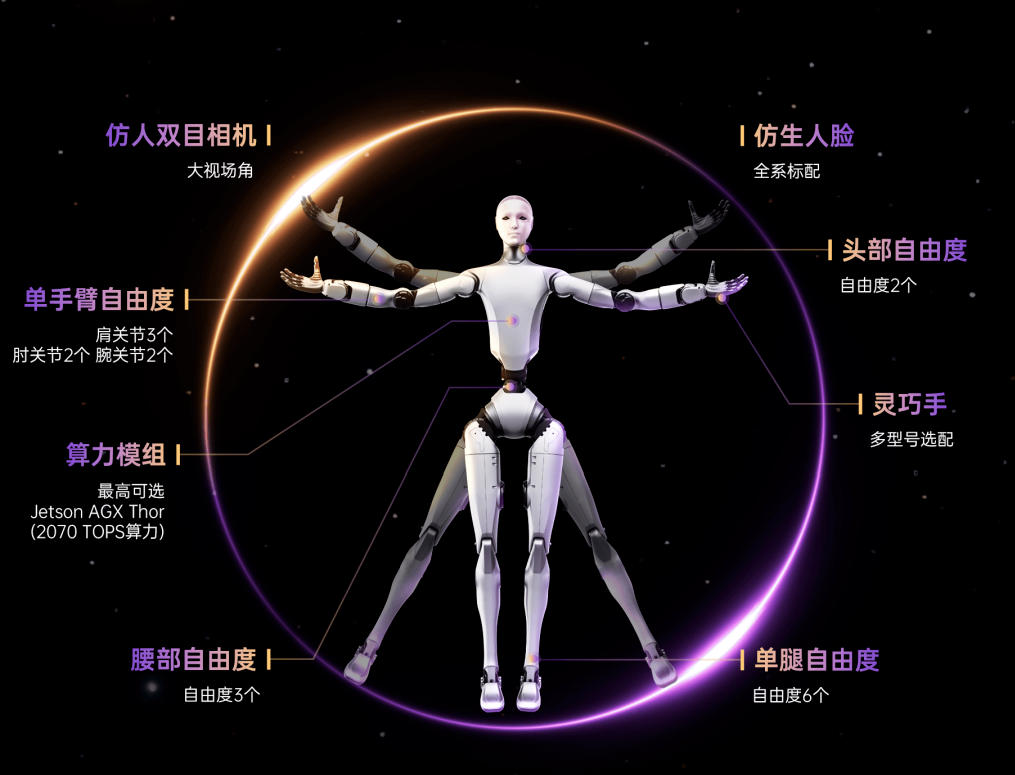 *Figure caption: The analogy between robotic systems and human anatomy—mechanical structure corresponds to bones, drive system corresponds to muscles, perception system corresponds to senses, control system corresponds to the brain, and software system corresponds to the soul*
Not a single one can be missing—if we compare robots to people, then:
- Mechanical structure is the skeleton, determining the basic shape of the body.
- Driving system is the muscles, providing the power for movement.
- Perception system is the eyes, ears, and skin, allowing us to know what is happening around us.
- Control system is the brain, which thinks and makes decisions.
These four components are essential and together form a complete robot system.
1.2 Introduction to the Four Major Systems
A complete robot system usually consists of the following four core components:
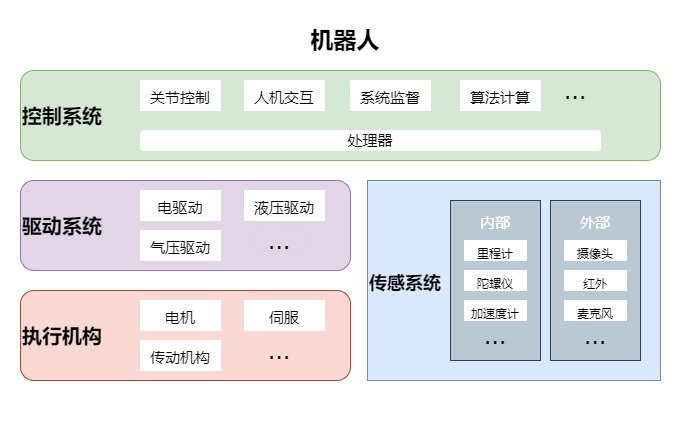
| System | Analogy to Human Body | Function Description | Core Components |
|---|---|---|---|
| Mechanical Structure | Bones | Provides support and movement foundation | Joints, connecting rods, end effector |
| Drive System | Muscles | Supplies power source | Motors, hydraulic cylinders, air cylinders |
| Sensing System | Senses | Collects internal and external information | Sensors, signal processing |
| Control System | Brain | Processes information and issues commands | Controllers, algorithms |
These four systems do not exist in isolation. Instead, they form an organic whole through precise communication and data exchange. Sensors gather environmental information and transmit it to the control system; the control system makes decisions through calculations and drives the system to perform actions; the software system coordinates the entire process, enabling the robot to independently complete complex tasks.
2. Mechanical Structure — The Body of the Robot
2.1 Joints and Degrees of Freedom
The mechanical structure is the “body” of a robot. It determines what the robot looks like and what actions it can perform.
When you enter any automobile factory, you will see robotic arms of various shapes working diligently. Some are robust and powerful, responsible for carrying heavy steel materials; others are delicate and agile, capable of precisely welding every weld point. These diverse robotic arms all follow the same basic principle—the combination of joints and connectors.
What is a joint?
Joints are movable components in a robot mechanical structure that connect two parts. Imagine your arm—the shoulder joint, elbow joint, and wrist joint—each of which can rotate. The operation of robot joints is similar to this.
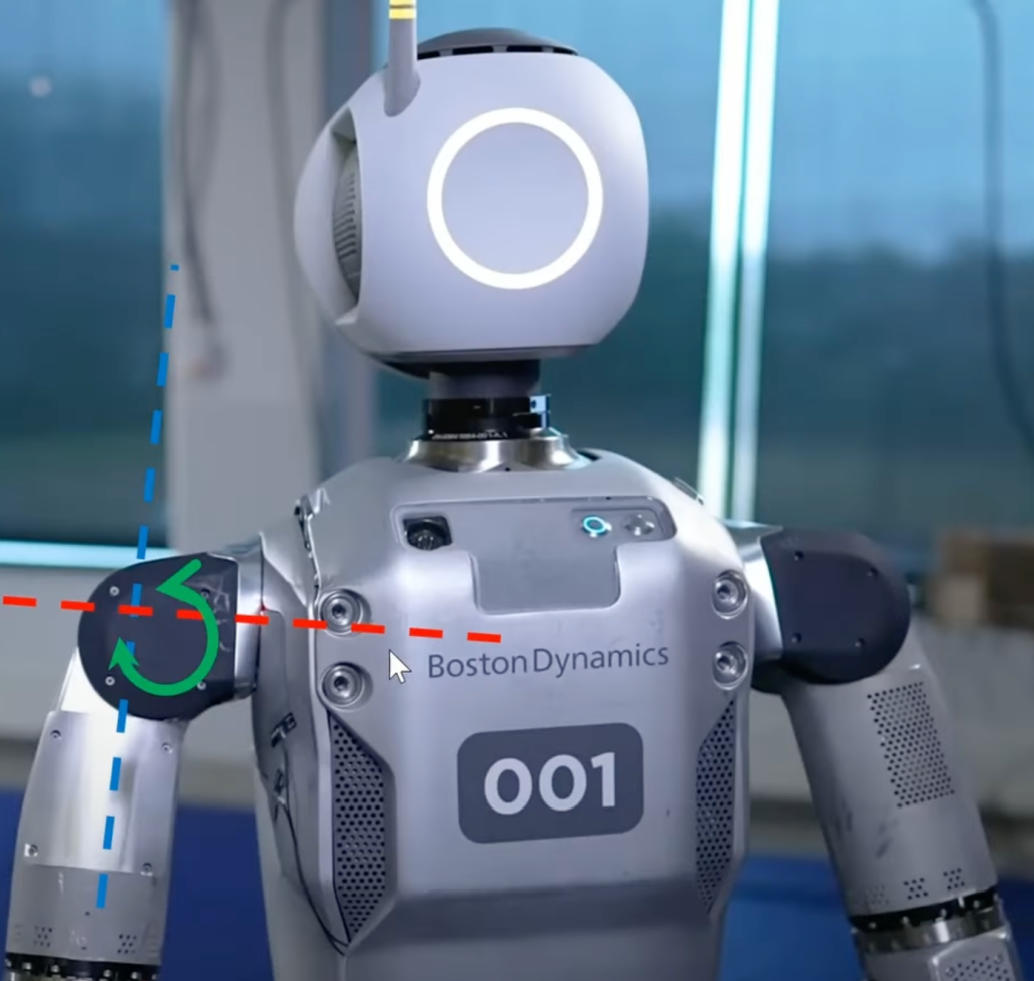 *Figure caption: The shoulder joint of Boston Dynamics Atlas, with rotational degrees of freedom in three directions: flexion/extension (forward/backward swing), abduction/adduction (like flapping wings), and rotation around the upper arm axis*
Robot joints are mainly divided into two types:
- Rotational joint (R Joint): Like a door hinge, it rotates around an axis. This is the most common type of joint used in robotic arms.
- Translational joint (P Joint): Like a drawer, it translates along a straight line. This type of joint is relatively rare, but essential in certain scenarios.
Freedom of movement—How flexible is the robot?
In robotics, Degree of Freedom (DOF) is a core concept. It refers to the number of independent movements a robot can perform. Simply put, a robot has as many degrees of freedom as there are joints that can move independently.
A typical six-axis industrial robotic arm has 6 joints, which means 6 degrees of freedom. It can reach any position in three-dimensional space (requiring 3 degrees of freedom) and maintain any posture (again requiring 3 degrees of freedom).
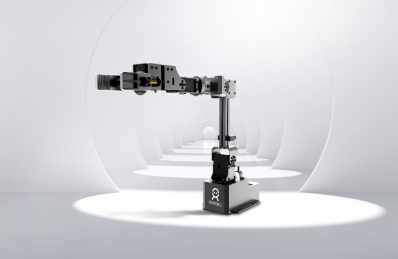 Figure note: The six joints of the six-axis robotic arm implement different motion functions respectively
End effector——The “hand” of the robot
Joints and links form the “arms” of the robotic arm, while the end effector is the “palm” or tool on this hand. Depending on the task, the end effector can be:
- Gripper: Grabbing objects
- Suction cup: Attaching to flat surfaces
- Welding torch: Performing welding operations
- Spray head: Even spraying
- Drill bit: Drilling and processing
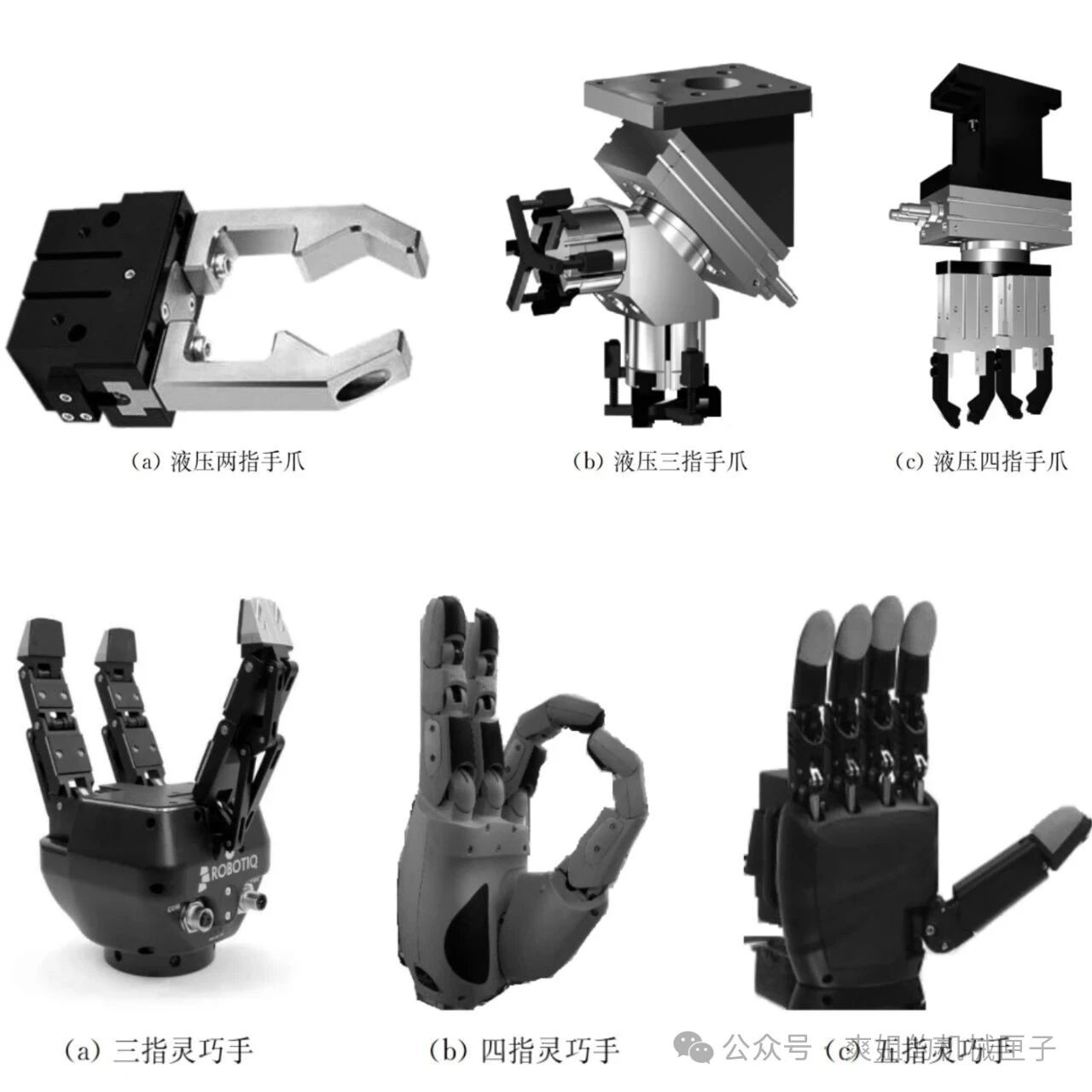 *Image caption: Hydraulic claw/dexterous hand – Different end effectors correspond to different tasks*
3. Drive System — The Robot’s Muscles
3.1 Motor Drive
If the mechanical structure is the skeleton, then the drive system is the muscles—it provides power to the robot, enabling the joints to move.
Entering an electronic manufacturing factory, you will hear the humming sound of motors operating. Small servo motors are installed inside each joint, precisely driving every movement of the robotic arm. This mode of drive is known as motor drive—the most widely used robot drive method today.
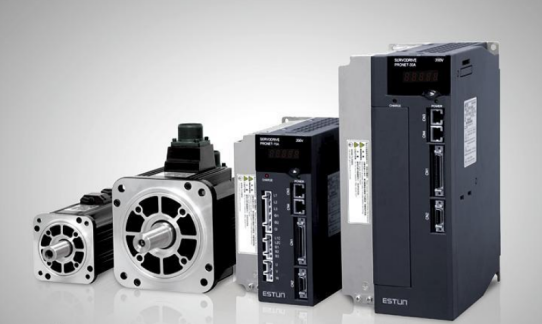 Figure note: The robotic arm drive system commonly found in industrial robotic arms, where the motor and reducer are integrated together
Why is motor drive so popular?
- High control precision: By precisely controlling the current, very accurate position and speed control can be achieved.
- Fast response time: The start and stop response time of the motor is measured in milliseconds.
- High efficiency: The efficiency of converting electrical energy into mechanical energy can reach over 90%.
- Clean and environmentally friendly: Unlike hydraulic systems, there is no risk of oil leakage.
Common robot drive motors include:
- Servo motor: The most common choice for industrial robots, capable of precisely controlling position, speed, and torque
- Brushed DC motor: High efficiency and long lifespan; commonly used in mobile robots and small robotic arms
- Stepper motor: Simple control and low cost; suitable for open loop control systems
3.2 Hydraulic and Pneumatic Drive
Motor drive is excellent, but in some scenarios, other driving methods have more advantages.
Hydraulic Drive — The Choice of Strongman
If you have seen a large excavator in action, you must be impressed by its power. The excavator is hydraulically driven, using liquid pressure to transfer energy, and can generate a huge torque.
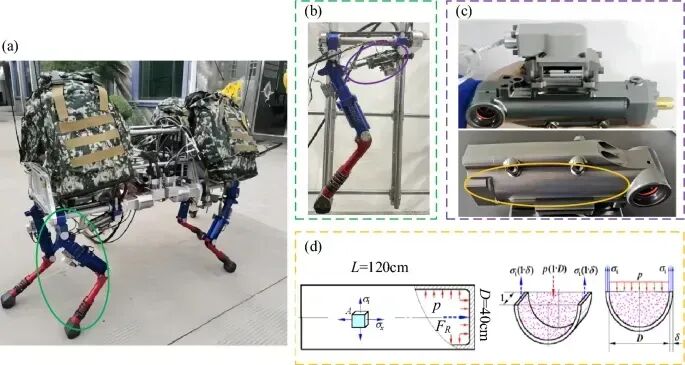 Figure note: Schematic diagram of the HDU shell for a hydraulic quadruped robot. (a) Diagram of the hydraulic quadruped robot; (b) Single leg of the hydraulic quadruped robot; © HDU and its housing; (d) Schematic diagram of the stress distribution in the HDU shell
Features of hydraulic drive:
- High output torque: At the same volume, the force output by hydraulic drive is several times that of a motor.
- High stiffness: The movement is less affected by load changes.
- However—the system is complex, requires maintenance, and there is a risk of oil leakage.
This is why you can see hydraulic drives in large special robots and heavy industrial equipment.
Pneumatic Drive—The King of Speed
On the food packaging production line, the robotic arm grasps and places products at an astonishing speed—this is the application of pneumatic drive.
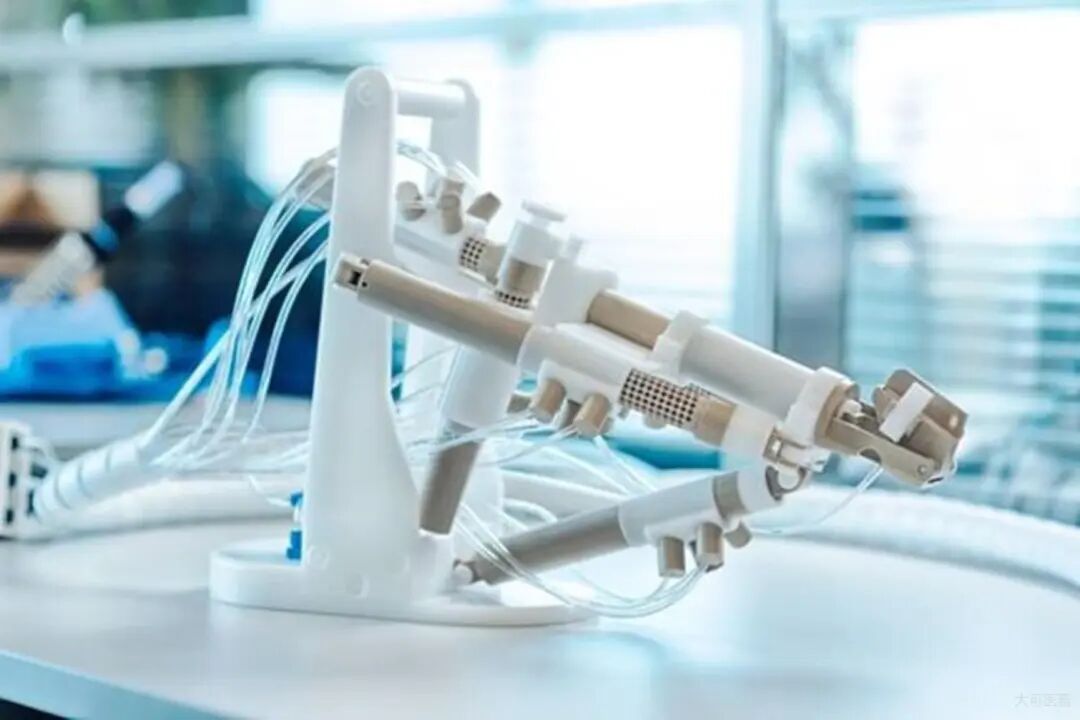 *Image caption: A pneumatic-driven prostate puncture robot, which uses compressed air as the working medium and has extremely fast response speed.*
Features of pneumatic drive:
- High speed: Compressed air releases quickly, making it suitable for high-speed reciprocating motion.
- Simple structure: The system is simple and cost-effective.
- However—the control precision is poor and the energy consumption is high.
Pneumatic robots are commonly used in lightweight and high-speed applications such as food packaging and drug sorting.
4. Perception System—The Senses of Robots
4.1 External Perception
If a robot can only move according to a preset program, then it is just an automated machine. A true robot needs to be able to perceive the world around it.
Vision—The most important sense of robots
Of the information humans obtain, over 80% comes from vision. Robots are no different.
Cameras are the most common visual sensors. Modern robots typically come equipped with depth cameras—they can not only “see” objects, but also “perceive” their distance, just like the stereoscopic vision of human eyes.
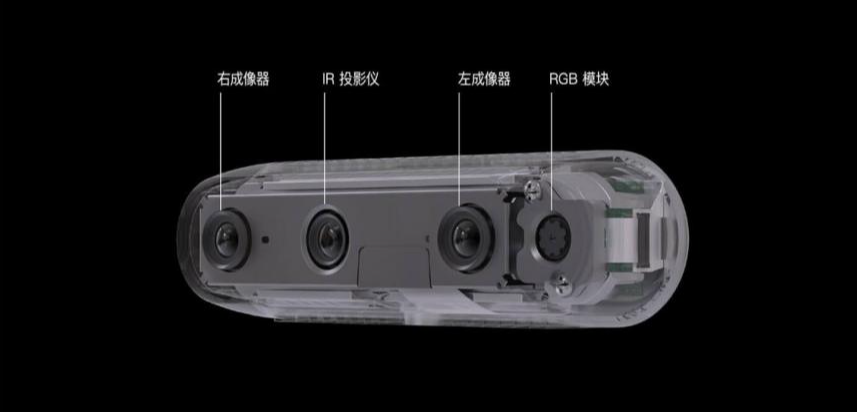 Figure caption: The depth camera can obtain 3D information of the scene, providing spatial perception capabilities for robots
Lidar——A Powerful Tool for Precise Range Measurement
In autonomous vehicles and high-end robots, you often see a continuously rotating “little hat” — that is LiDAR.
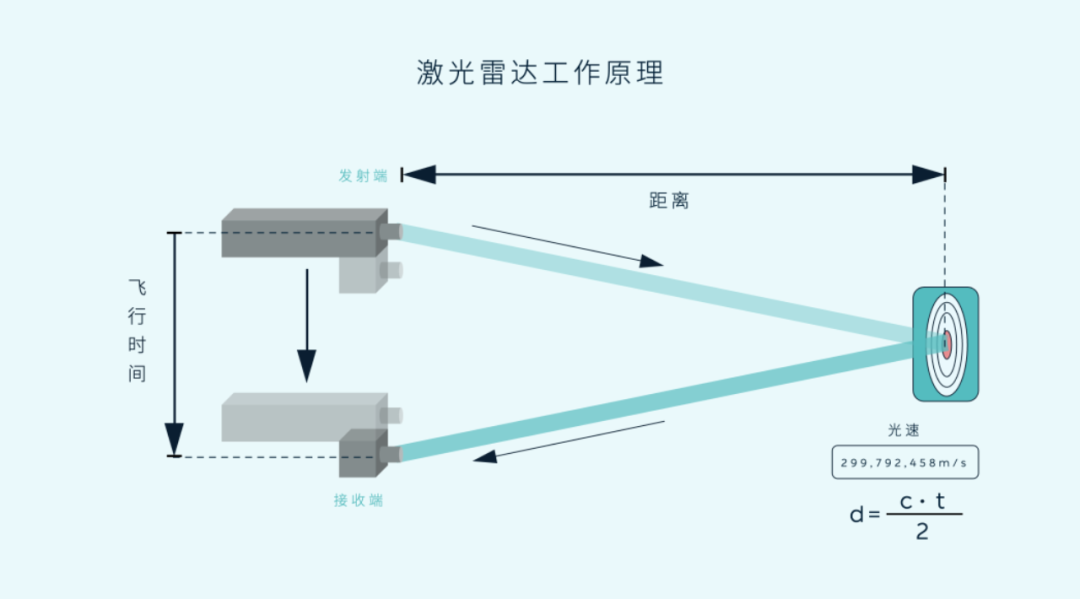 *Figure caption: LiDAR emits a laser beam, and distance is calculated by measuring the reflection time, offering extremely high measurement accuracy.*
Features of lidar:
- High ranging accuracy: Up to centimeter level
- Good angle resolution: Can accurately perceive the shape of the surrounding environment
- Unaffected by light: Works properly during day and night
This is why autonomous vehicles and warehouse AGVs almost always come with lidar as a standard feature.
Other external sensing sensors
In addition to vision, robots have many other “senses”:
- Ultrasonic sensor: Emits ultrasonic waves to detect obstacles; low cost and simple structure
- Infrared sensor: Detects heat sources or short-distance obstacles
- Tactile sensor: Detects contact force and pressure distribution
4.2 Internal Perception—Knowing Where You Are
Robots not only need to know the external environment, but also need to know “where they are” and “what actions they have taken”.
Encoder—the “position meter” of the joint
Almost every motor is equipped with an encoder, which accurately measures how many degrees the motor rotor has rotated. Using this data, the control system can calculate the current angle of each joint—this is how a robot “knows” its own posture.
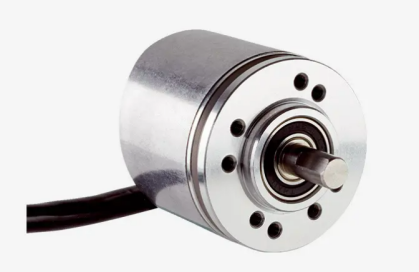 Figure note: The motor encoder is installed at the tail of the motor, accurately measuring the rotor position and speed
IMU——The “vestibular system” of the robot
When you walk with your eyes closed, you still know whether you are moving forward or backward, tilted or upright—this is because the vestibular system in the inner ear senses your movement and posture.
The Inertial Measurement Unit (IMU) of the robot is similar in function. It consists of an accelerometer and a gyroscope, and can measure the acceleration and angular velocity of the robot, helping the robot perceive its own motion state.
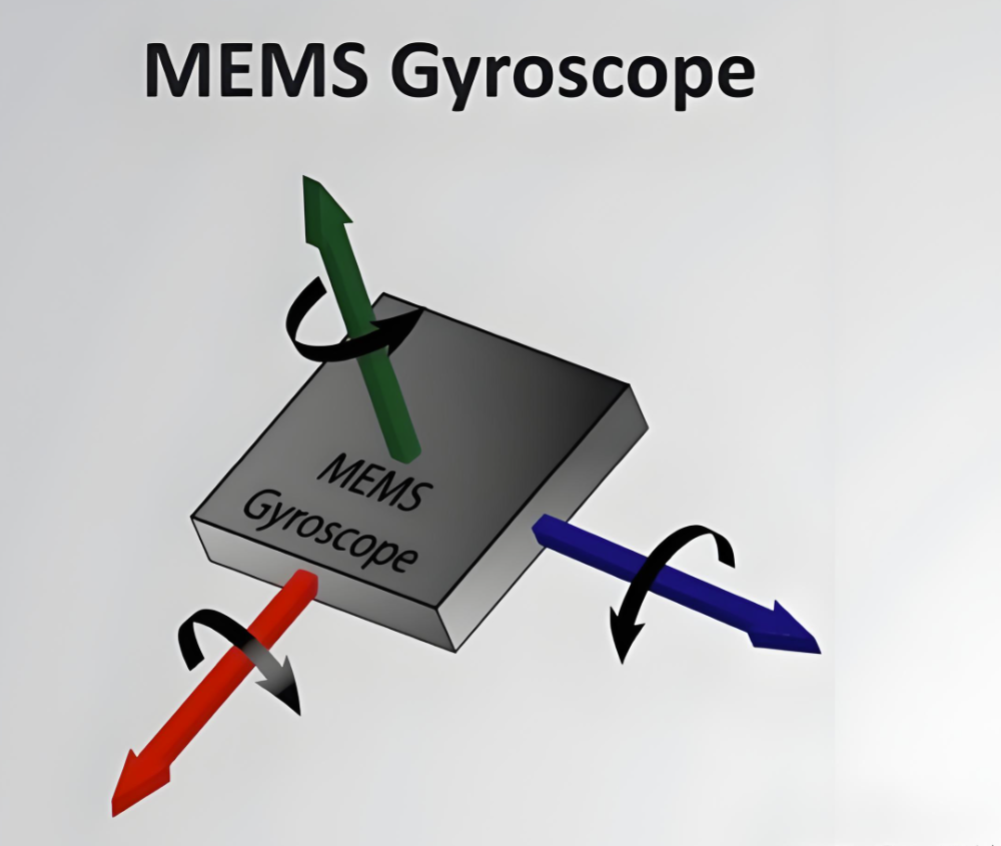 Figure note: The IMU sensor integrates an accelerometer and a gyroscope to sense the robot’s motion state
Torque sensor——Detecting the magnitude of force
High-end robotic arms usually have torque sensors installed at the joints, which can detect the magnitude of the torque generated by the joints.
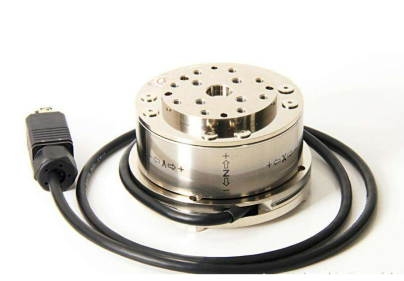 Figure Note: The joint torque sensor can detect the forces experienced during the interaction between the robot and the environment
What’s the use? When you want a robot to “gently” pick up an egg, the torque sensor helps the robot determine the appropriate force—so as not to crush the egg or make it slip away.
5. Control System — The Brain of the Robot
5.1 Controller Hardware
If the perception system is “eyes and ears,” then the control system is the “brain” — it receives information, processes it, makes decisions, and issues commands.
The “brain” of the robot is the Controller. When you enter the robot control cabinet, you will see an industrial computer—it is the core of the entire control system.
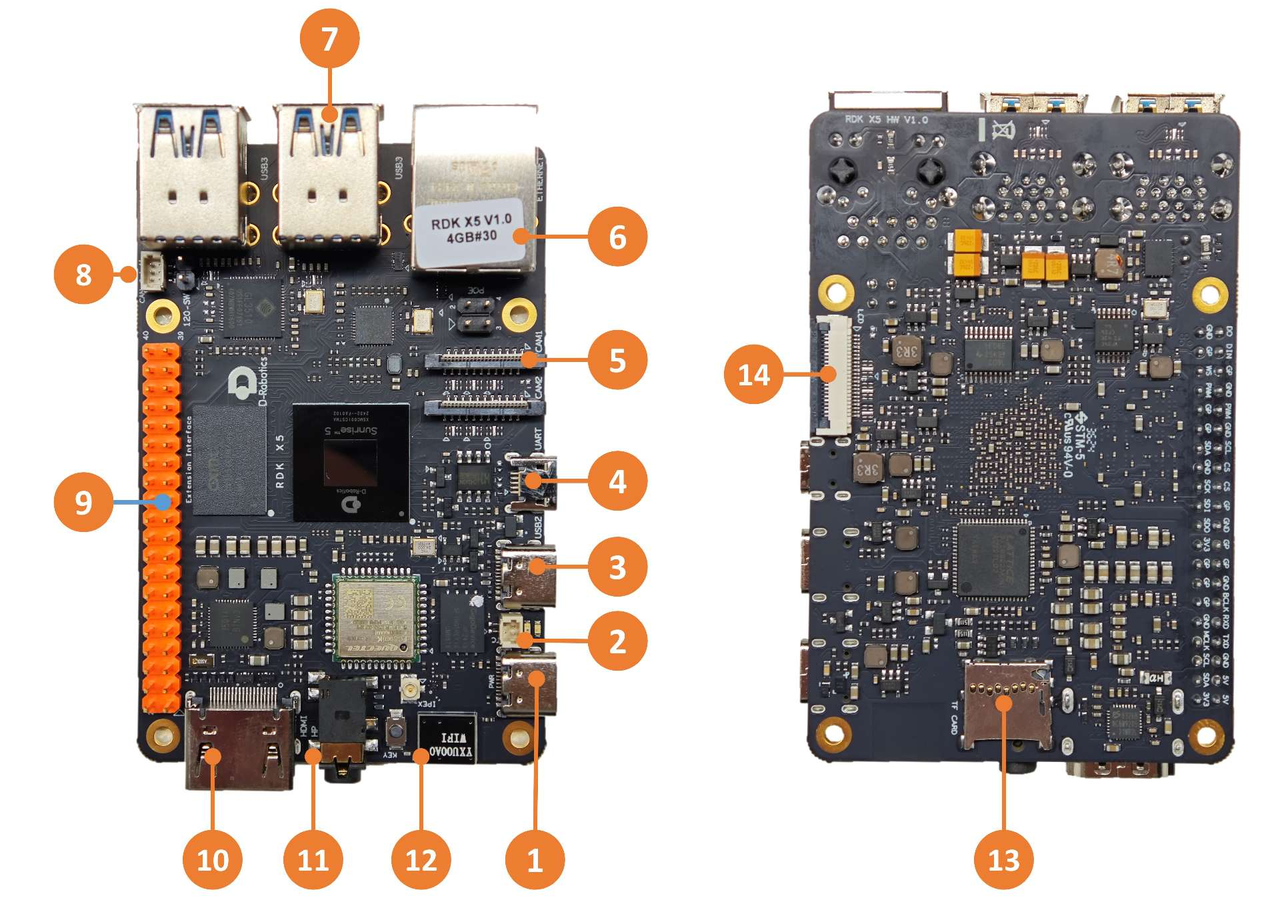 Figure note: Small robot controllers typically use high-performance embedded controllers to execute control algorithms and scheduling tasks
Operation of the controller:
- Receive sensor data
- Execute motion control algorithms
- Send commands to the driver
- Communicate with other systems
Common types of controllers:
- Industrial PC: High performance with flexible functions
- PLC (Programmable Logic Controller): Stable and reliable, suitable for industrial environments
- Embedded controller: Small size and low power consumption
5.2 Motion Control Principles
The core task of the controller is to make the robot move in the expected manner. This involves two fundamental issues:
Forward Kinematics——Given joint angles, find the end position
When you know the angle of each joint, where is the end effector? This is what forward kinematics aims to solve.
Inverse Kinematics — Finding joint angles given the end position
Do you want the end to reach a certain position, and how much each joint should rotate? This is inverse kinematics—also one of the most core and complex issues in robot control.
The solution to these two problems lays the mathematical foundation for the precise control of robots.
6. Software System——The Soul of the Robot
6.1 Robot Operating System
If hardware is the “body” of a robot, then software is the “soul” — it endows the robot with intelligence, flexibility, and learning ability.
Imagine that without software, a sophisticated mechanical structure is nothing more than a pile of scrap metal. Software brings the cold hardware to life.
ROS2——The core framework of robot software
In the field of robot software, ROS2 (Robot Operating System 2) is the most popular development framework currently.
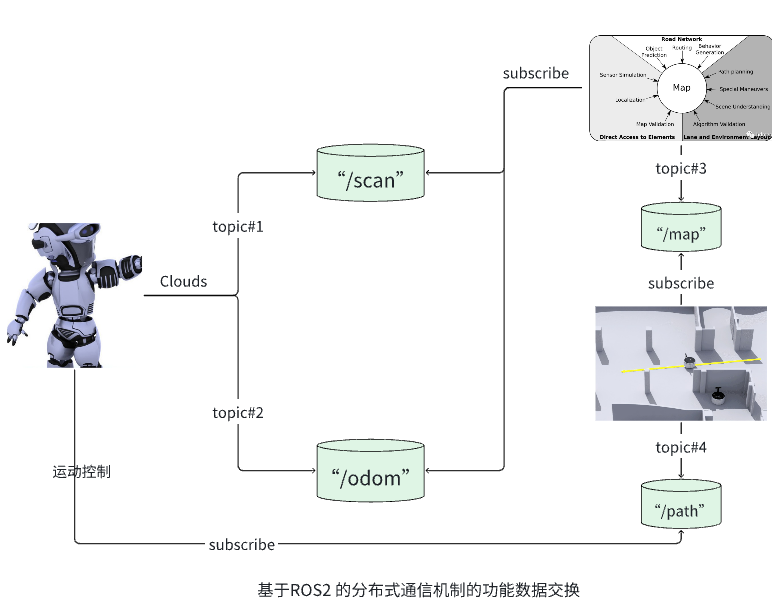 Figure note: ROS2 uses a distributed node architecture, communicating through topics, services, and actions
Core concepts of ROS2:
- Node: Each functional module is an independent program.
- Topic: Data “broadcasting” and “subscribing” between nodes.
- Service: “Request-Response” communication between nodes.
- Action: “Feedback-style” communication for long-term tasks.
This distributed architecture enables modularization and easy maintenance of robot software—you can develop and test each functional module separately, and then combine them like building blocks.
6.2 Application Layer
On top of a basic framework like ROS2, there are various application software:
- Perception algorithm: Processes camera and lidar data, identifies objects, and detects obstacles
- Localization and mapping: SLAM algorithm enables robots to know their location in unknown environments
- Path planning: Calculates a safe path from the current position to the target position
- Motion control: Precise control of the movement of each joint
In recent years, the rapid development of reinforcement learning technology has made robot software systems more and more “smart”. Deep learning enables robots to recognize images, understand language, and make decisions. Reinforcement learning allows robots to learn new skills through trial and error.
7. Robot Classification
By purpose: Industrial, Service, Specialized
Robots are widely used in various fields. Based on their purpose, they can be divided into three major categories:
Industrial robots—The backbone of the manufacturing industry
Industrial robots are the “big brothers” in the field of robotics. Since the first industrial robot was invented in 1961, they have been in use in manufacturing for over 60 years.
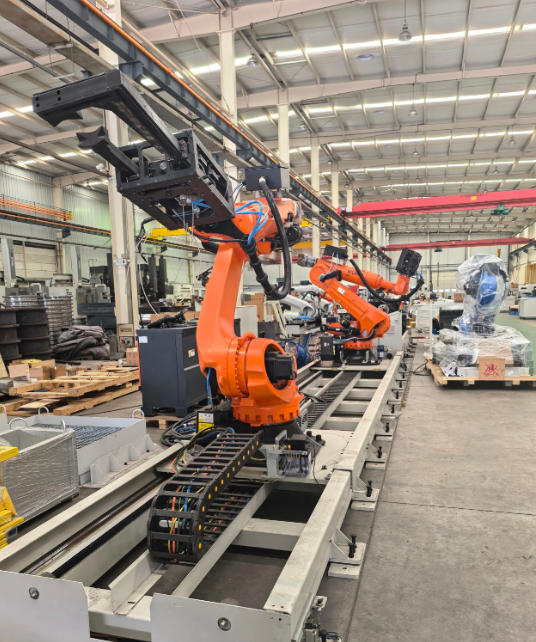 Image caption: Industrial robots are widely used in fields such as automotive manufacturing and electronic assembly
Features of industrial robots:
- High precision: The positioning accuracy can reach 0.02mm
- High speed: The movement speed can exceed 2m/s
- High load capacity: The maximum load can reach several tons
- High rigidity: High stiffness and stable motion
Typical applications: welding, spraying, handling, assembly, stacking…
Service Robot – A Partner in Daily Life
From floor cleaning robots to restaurant delivery workers, service robots are entering thousands of households.
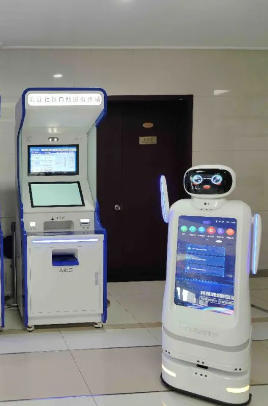 Image caption: Service robots are used for various applications such as cleaning, delivery, and companionship
Features of service robots:
- High interactivity: Requires natural communication with people
- High safety: Close contact with people, safety must be ensured
- Strong adaptability: Needs to handle unstructured environments flexibly
Typical applications: vacuum robots, food delivery robots, hotel services, bank lobby robots…
Special Robots — Explorers in Extreme Environments
Some places are difficult for humans to reach—the depths of wildfires, the ocean floor, disaster areas with ruins, space… These are the home grounds of special robots.
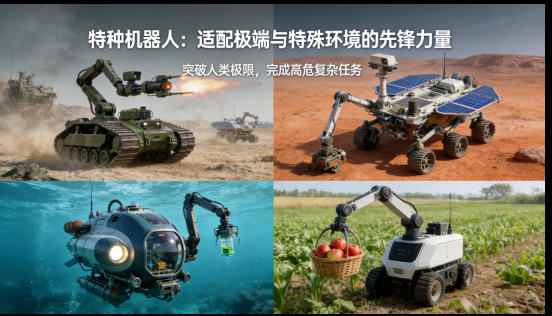 Image caption: Special robots are used in military, rescue, underwater, and aerial special environments
Typical applications: military reconnaissance robots, rescue robots, underwater detection robots, drone mine detectors…
8. Typical Cases
8.1 AGV——The “courier” in the warehouse
If you have bought anything online, it is very likely that you have already met the AGV—you just didn’t notice it.
In the logistics warehouses of Amazon, Alibaba, and JD.com, thousands of AGV (Automated Guided Vehicles) are working diligently. They transport shelves through the warehouse, delivering the products you need to the sorters.
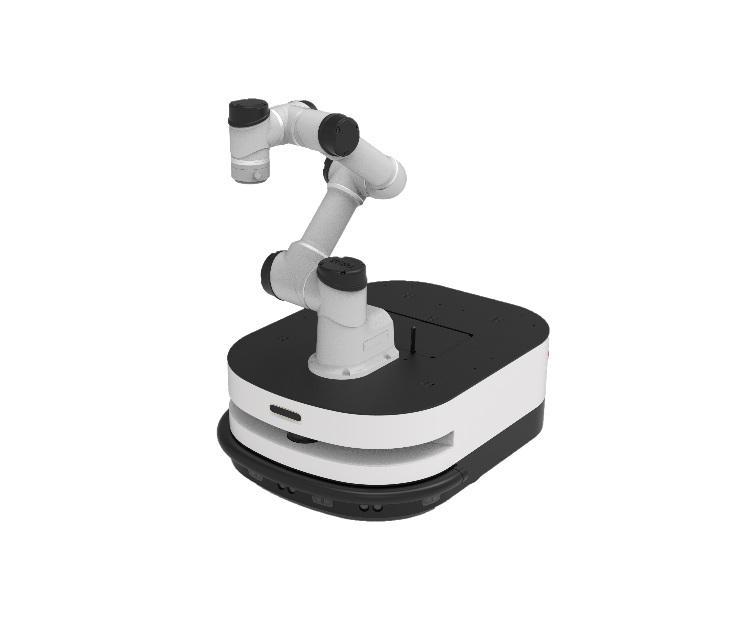 Image Caption: LEO AGV robot of Shenzhen Chuangxiang Future greatly improves logistics efficiency
How does AGV work?
- Navigation: Early AGVs relied on ground magnetic strips or color bands; next-generation AGVs use laser navigation or visual SLAM, achieving true autonomous positioning.
- Obstacle Avoidance: Equipped with lidar and ultrasonic sensors to detect obstacles ahead.
- Communication: Communicates with the upper-level system via WiFi, receiving task instructions and reporting status.
- Charging: Automatically returns to the charging station when low on power, capable of operating continuously for 24 hours.
Why is AGV so important?
Traditional manual warehouses require workers to walk tens of thousands of steps in a large warehouse every day to transport goods—this is inefficient, exhausting, and prone to errors.
With AGV, the “goods to person” model has increased efficiency by more than 5 times. Workers only need to stand at their workstations and wait for the AGV to bring the shelves to them. This not only significantly reduces labor intensity but also decreases error rates.
8.2 Collaborative robotic arm——A human work partner
Traditional industrial robots are highly efficient, but they have a drawback—they are too “dangerous”. They have great power and speed, so they must be installed within safety fences to operate separately from humans.
The emergence of collaborative robots has changed all of this.
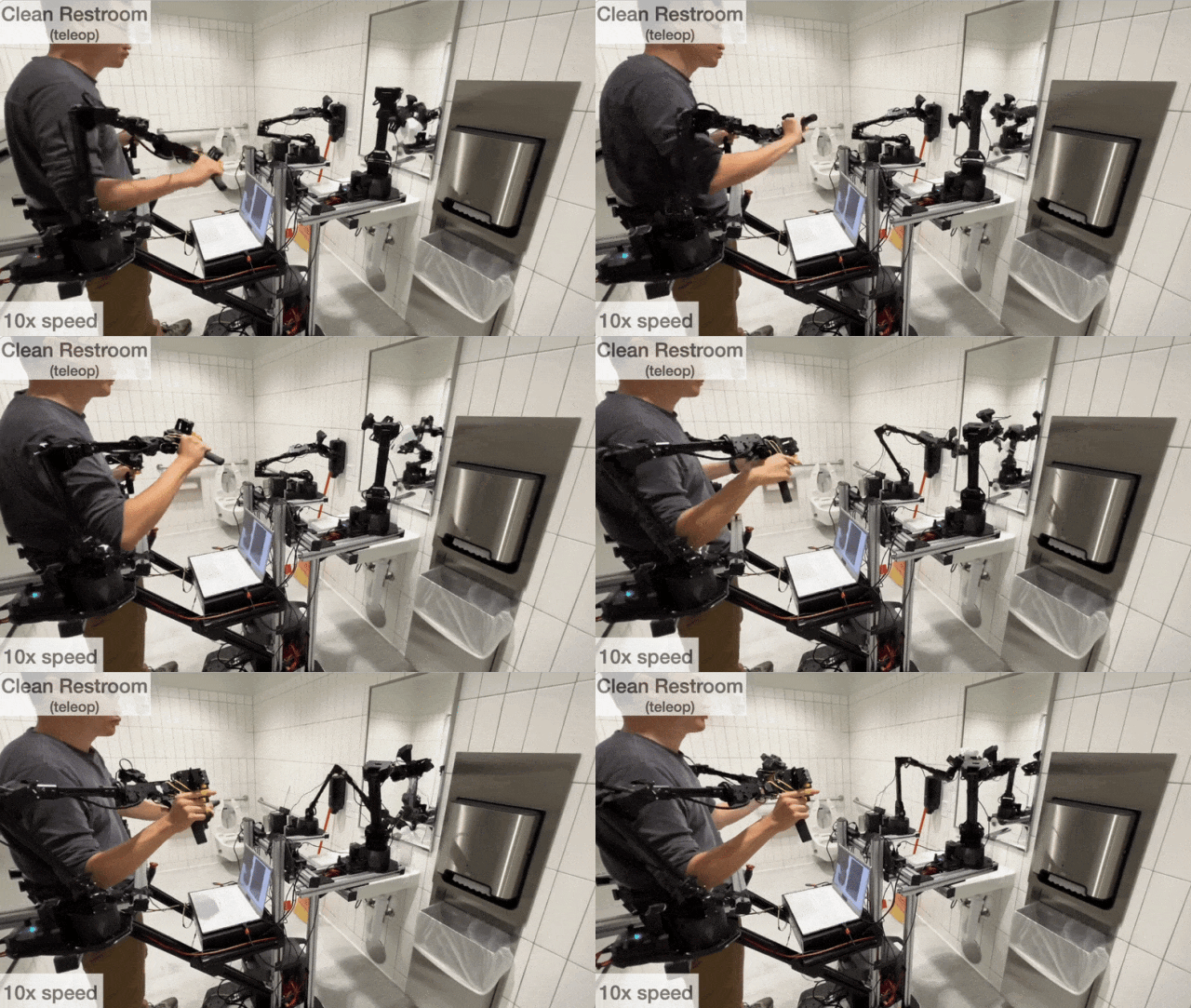 Figure note: Collaborative robots can coexist safely with humans in the same space
“Safety Secrets” of Collaborative Robots
- Torque limit: Stops movement immediately upon detecting a collision to prevent injury.
- Lightweight design: Overall weight is much lower than that of traditional robots.
- Collision detection: Built-in torque sensors detect abnormal contact.
- Visual perception: Equipped with safety-level cameras to detect the approach of personnel.
 Figure Note: The collaborative robot is equipped with torque sensors and vision sensors to ensure human-robot safety
Drag-and-drop teaching — everyone can use it
The biggest feature of collaborative robots is ease of use. Traditional industrial robots require professional engineers for programming and debugging. Collaborative robots support “drag-and-drop teaching” — you simply drag the robotic arm to the target position with your hand, and the robot automatically records the trajectory.
 Figure note: Users can directly drag the collaborative robotic arm for teaching
This means that even non-programming operatives can easily have robots perform new tasks. For this reason, collaborative robots are highly favored by small and medium-sized enterprises—they can also benefit from automation.
8.3 Home Service Robot — Life Assistant
In the early morning, while you are still asleep, the floor cleaning robot has quietly cleaned the room—this is a common scene in many households.
Home service robots are the pioneers of robot technology entering thousands of households.
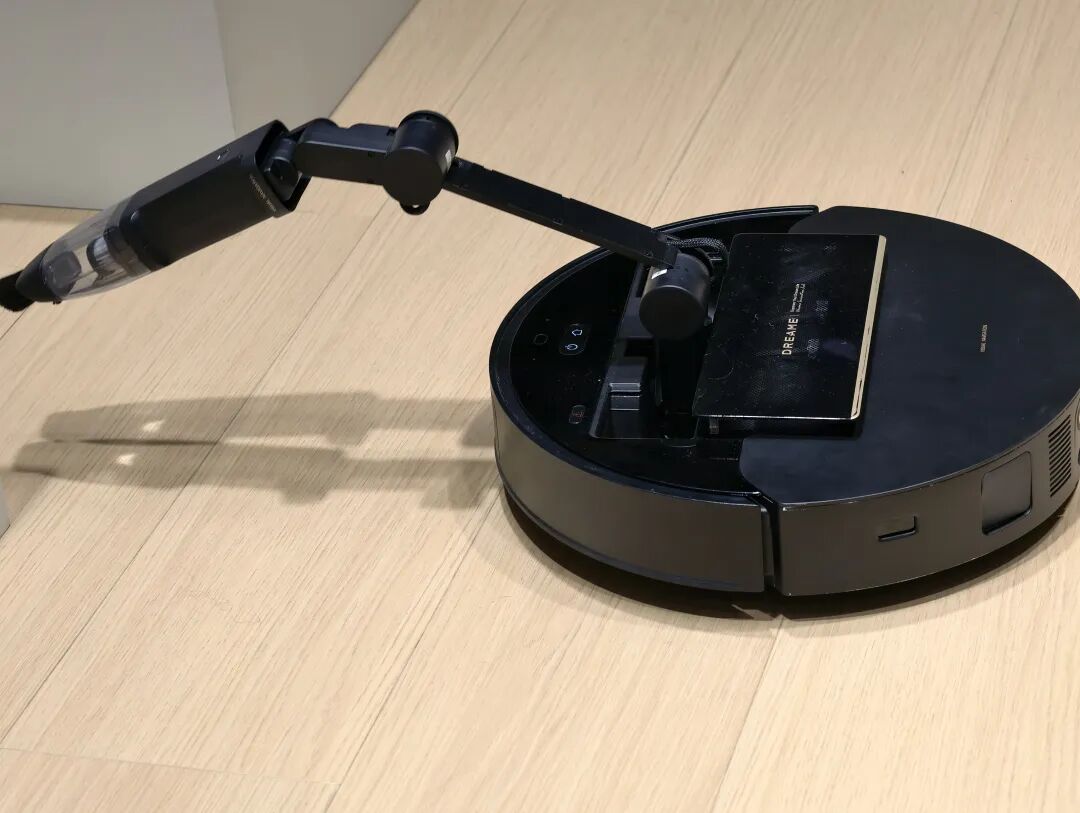 Image caption: Robot vacuums have become the most popular household service robots
How “smart” is a vacuum robot?
Modern vacuum robots integrate various intelligent technologies:
- Laser rangefinder/depth camera: Detects the environment and builds a map
- SLAM algorithm: Synchronous localization and mapping to determine “where one is”
- Path planning algorithm: Smartly plans cleaning routes without omissions or repetitions
- Drop prevention sensor: Detects steps to avoid falling
- Automatic recharge: Automatically returns to the charging dock when battery level is low
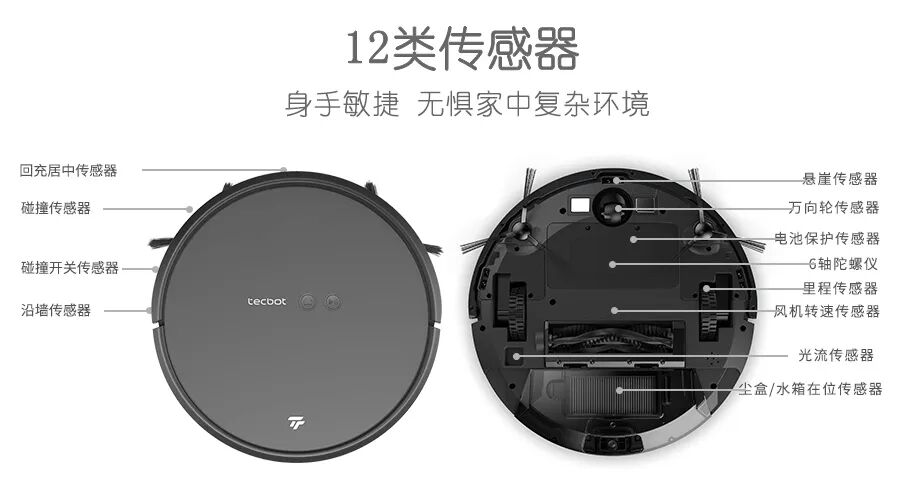 Image caption: The robot vacuum is equipped with various sensing devices such as lidar, wheel speed sensor, and collision sensor
Not just sweeping the floor
The categories of home service robots are becoming more diverse:
- Window cleaning robot: Clings to the glass and cleans automatically
- Air purification robot: A mobile air purifier
- Companion robot: Features voice interaction, allowing conversation with elderly and children
- Smart speaker: Although “static”, it is also a form of home service robot
With the development of artificial intelligence technology, home service robots will become more and more “smart”, becoming the core entry point of the smart home ecosystem.
Summary of This Chapter
In this chapter, we explored the “body” of robots—the system composition and classification.
Key points review:
- Five Major Systems: A robotic arm consists of a mechanical structure, a drive system, a sensing system, a control system, and a software system, each performing its own role and working together in coordination.
- Mechanical Structure: Joints and degrees of freedom determine the movement capabilities of a robotic arm, while the end effector serves as the “hand” of the robot.
- Drive System: Electric motor drive is the most common, hydraulic drive is suitable for high-power applications, and pneumatic drive is ideal for high-speed, lightweight applications.
- Sensing System: External sensing helps understand the environment, while internal sensing reveals the robot’s own status. Multi-sensor fusion is the trend.
- Control System: The controller is the “brain” of a robotic arm, and motion control involves forward and inverse kinematics.
- Software System: ROS2 is the mainstream framework, and artificial intelligence makes robots more and more “smart”.
- Classification Dimensions: Based on use cases, they are divided into industrial, service, and special; based on movement modes, they are categorized as mobile, robotic arm, and composite.
- Typical Examples: AGV, collaborative robotic arm, home service robots – different scenarios, different solutions.
Thinking and Practice
- Think about it: What robots are there in your home? What category do they belong to? Which systems make them up?
- Research it: For the robot type you are most interested in, what is its core technology?
- Discuss it: How will the relationship between robots and humans develop in the future? Will they replace each other or work together?
References
Basics of Robot Systems
- Introduction to Robotics: Mechanics and Control - John J. Craig
- Fundamentals of Robotics Technology - Xiong Youlun
- IEEE Transactions on Robotics
ROS2 and Software Systems
- 《ROS2 Robot Programming Practices》
- ROS2 official documentation: https://docs.ros.org/en/rolling/
Robot Categories and Applications
- “Report on the Development of China’s Robot Industry”
- International Federation of Robotics (IFR)
Here, the entire content of Chapter 1 is finished. Starting from the next chapter, we will officially begin learning ROS2—starting with installation and environment configuration, and then gradually delving into robot model construction, simulation, and control. Are you ready? Let’s start our journey with ROS2!